The national parks in Nicaragua reveal a side of Central America that still feels wonderfully untamed. Nicaragua has 78 protected areas managed under SINAP by MARENA, covering roughly 18% of the country’s landmass. Volcanoes breathe against the horizon, cloud forests drift in mist, Pacific beaches host nesting sea turtles, and rainforests stretch deep into regions where wildlife still moves freely. For travelers drawn to nature, Nicaragua offers something increasingly rare: landscapes that feel expansive, uncrowded, and alive.
While many visitors arrive for surf, coastline, or colonial cities, the country’s protected areas deserve equal attention. Nicaragua’s Pacific coast, including Rancho Santana on the Emerald Coast, can also serve as a thoughtful base for exploring some of these remarkable landscapes.
How Many National Parks Are in Nicaragua?
Nicaragua has three officially designated national parks in Nicaragua: Volcán Masaya National Park, Archipiélago Zapatera National Park, and Saslaya National Park.
That said, many travelers use the term broadly. The broader SINAP system includes 78 total protected areas spanning national parks, nature reserves, biological reserves, wildlife refuges, and biosphere reserves.
For trip planning, the full SINAP system is the more useful frame for planning a visit.
A List of Nicaragua’s Key National Parks and Nature Reserves
Rather than trying to visit every protected area, most travelers focus on a handful of accessible and distinct landscapes.
Volcán Masaya National Park
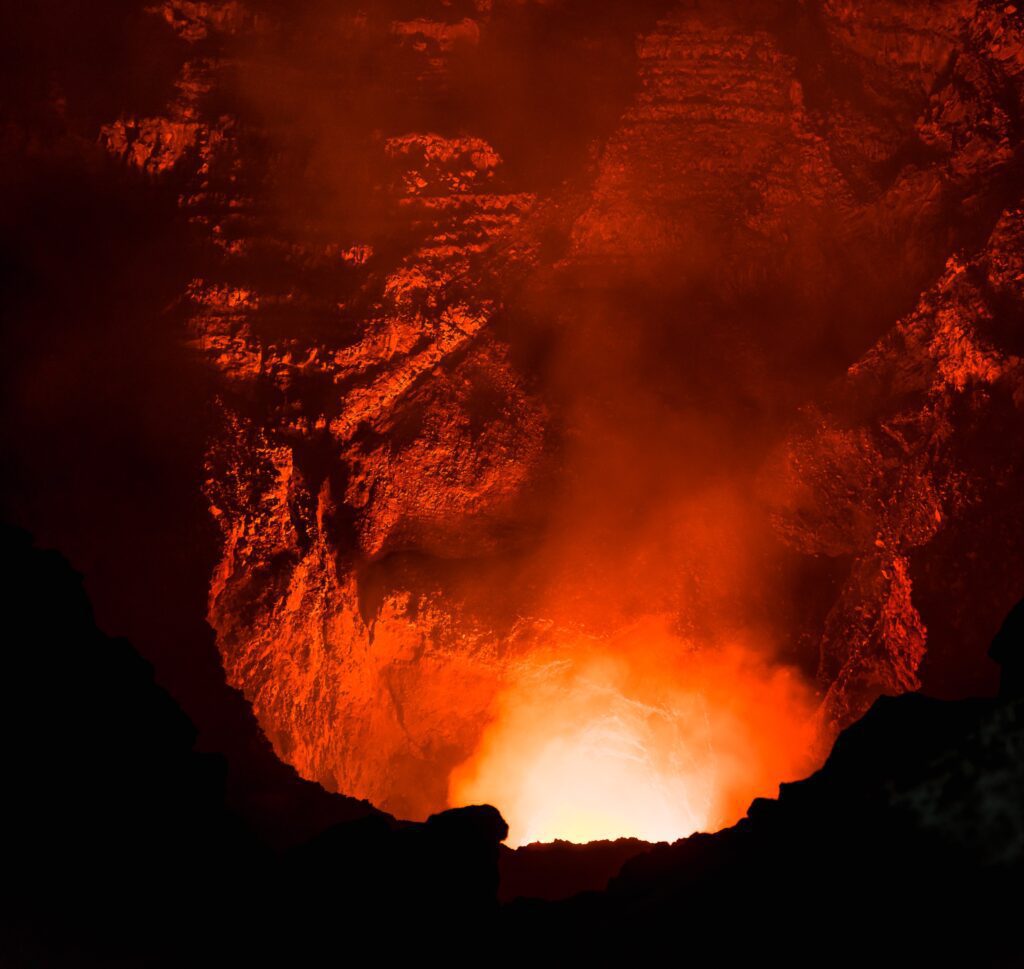
Volcán Masaya National Park is Nicaragua’s first national park, established in 1979 and among its most memorable. Located 23 km southeast of Managua, the park contains two volcanoes and five craters, covering 54 km². Its Santiago Crater is known for an active lava lake—one of the few places in the world where visitors can safely observe such activity from an accessible rim.
Day visits can include lava field trails, bat caves, and birdwatching. Evening tours are especially dramatic, when the crater glows after dark. The entry fee is approximately $US4 (day) / $US10 (night).
Mombacho Volcano Nature Reserve X
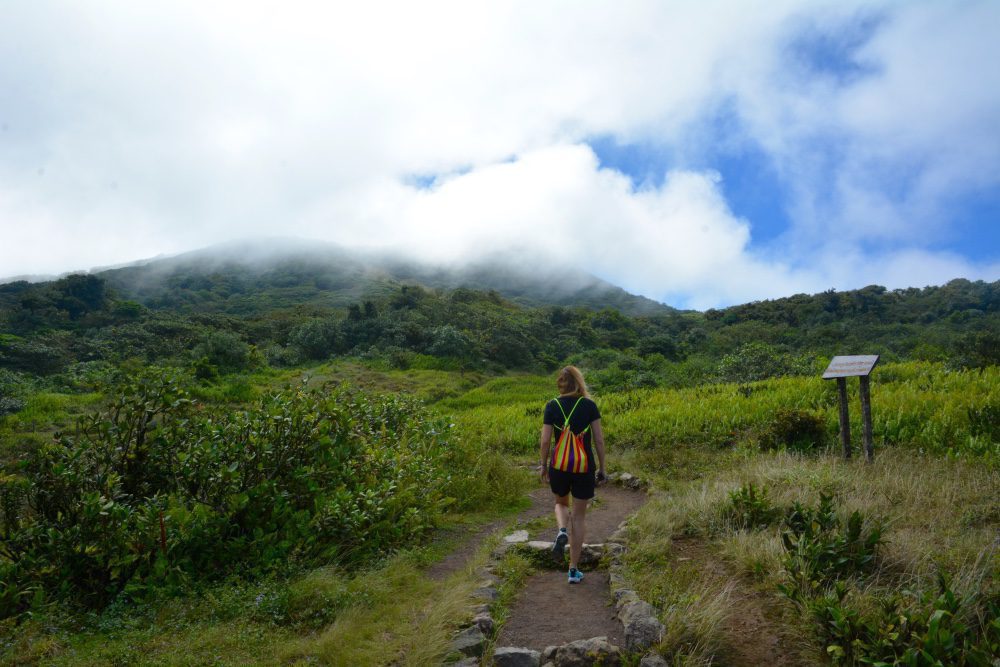
Mombacho Volcano Nature Reserve is a dormant stratovolcano rising 1,344 meters about 10 kilometers south of Granada, home to one of only two cloud forests in Nicaragua. Its cool, misty slopes shelter endemic species such as the Mombacho salamander and the orchid Maxillaria mombachoensis, along with an impressive diversity of life that includes 238 recorded bird species, 52 mammal species, and approximately 765 plant species.
Visitors can explore three hiking trails, from an easy 1-kilometer self-guided loop to longer routes led by certified guides, with canopy tours and sweeping views over Lake Nicaragua and Granada along the way.
Indio Maíz Biological Reserve
Indio Maíz Biological Reserve is one of the best-preserved lowland tropical rainforests in Central America, stretching across approximately 3,180 square kilometers in southeastern Nicaragua along the San Juan River near the Costa Rica border.
The reserve protects extraordinary biodiversity, including 65 mammal species such as jaguars, tapirs, and manatees, along with 221 bird species, poison dart frogs, and even bull sharks that move through the river system.
Much of the reserve remains closed to tourism, with limited access generally available through the Bartola River near El Castillo and San Juan del Norte, making it a destination best approached through guided, carefully planned visits rather than independent travel.
Bosawás Biosphere Reserve
Bosawás Biosphere Reserve has been a UNESCO Biosphere Reserve since 1997 and is considered the second largest rainforest in the Western Hemisphere after the Amazon, covering approximately 20,000 square kilometers—nearly 15% of Nicaragua’s total land area.
This vast protected region is home to jaguars, harpy eagles, quetzals, tapirs, and an estimated 100,000 to 200,000 insect species, while also overlapping with the ancestral homelands of the Indigenous Mayangna and Miskito peoples.
Extremely remote and logistically challenging to access, Bosawás is best understood as a place of immense ecological importance rather than a conventional tourist destination.
Wildlife in Nicaragua’s Protected Areas
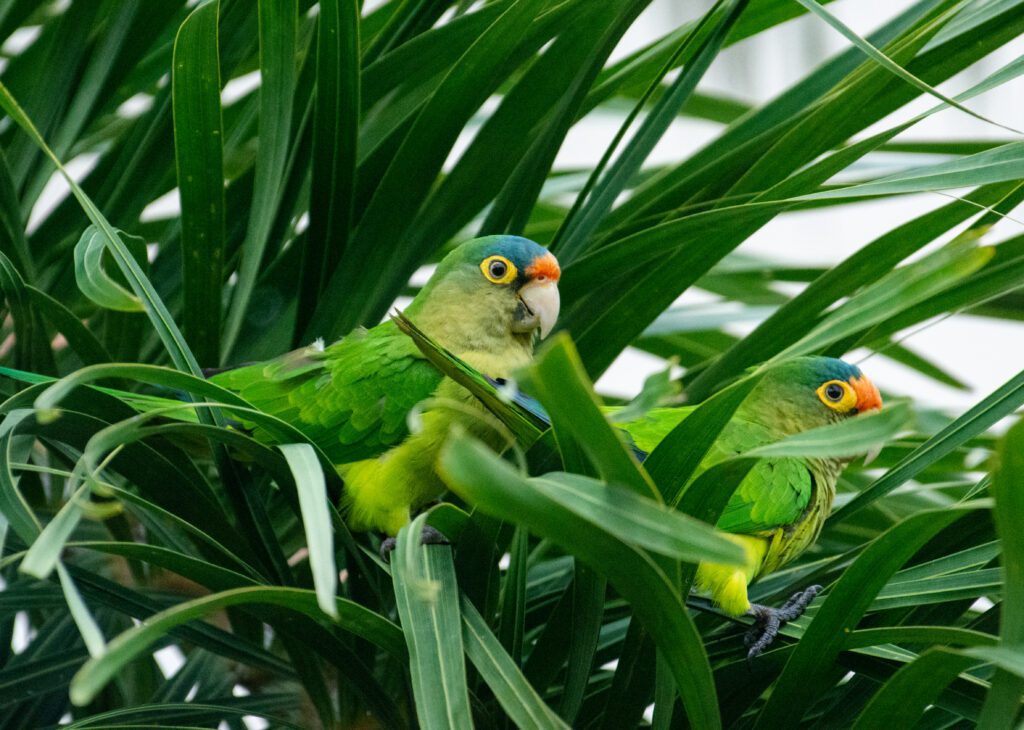
Across Nicaragua’s protected landscapes, wildlife shifts dramatically from one ecosystem to the next. In volcanic parks such as Volcán Masaya National Park and Mombacho Volcano Nature Reserve, visitors may encounter howler monkeys, white-faced monkeys, sulfur-adapted parakeets, bat species, and endemic salamanders.
In rainforest reserves like Indio Maíz Biological Reserve and Bosawás Biosphere Reserve, the scale of biodiversity expands to include jaguars, tapirs, pumas, manatees, scarlet and great green macaws, harpy eagles, and poison dart frogs.
Along the Pacific coast and Nicaragua’s Emerald Coast, travelers often spot howler monkeys, white-tailed deer, anteaters, and sea turtles nesting from August through December, along with the guardabarranco—the turquoise-browed motmot and national bird of Nicaragua.
Nicaragua’s Pacific Coast Parks and Nature Reserves
The Pacific shoreline offers a different expression of nature travel—dry tropical forest meeting long beaches and open ocean.
La Flor Wildlife Refuge
La Flor Wildlife Refuge near San Juan del Sur is known for olive ridley sea turtle nesting. During peak season (between August and December), 30,000 come ashore to lay eggs, creating one of the region’s most moving wildlife spectacles.
Río Escalante-Chacocente Wildlife Refuge
Río Escalante-Chacocente Wildlife Refuge blends Pacific beaches with tropical dry forest and seasonal turtle activity. It remains quieter and less visited than many better-known coastal reserves.
Nature on the Emerald Coast
At Rancho Santana, travelers also find a protected natural setting with extensive reserve land, coastal trails, and seasonal turtle conservation efforts. The appeal here is not a formal park designation, but easy daily immersion in nature.
Exploring Nicaragua’s Natural Landscapes from Rancho Santana
Set along Nicaragua’s Emerald Coast, Rancho Santana offers a practical and beautiful base for travelers who want access to both coast and inland adventure. Situated at approximately 2 hours from Managua, the property spans 2,700 acres, with five beaches and hundreds of acres of preserved landscape.
More than 16 miles of trails move through tropical dry forest, cliffs, and jungle terrain. Guided hikes and night walks offer close contact with local ecosystems, while day trips to Masaya or Mombacho can be arranged for those wanting to experience Nicaragua’s volcanic interior.
The dry season, generally November through April, is ideal for hiking, road travel, and clear skies. Green season brings lush scenery, dramatic skies, and fewer crowds. Sea turtle nesting at La Flor Wildlife Refuge and Rancho Santana runs August through December, overlapping with the rainy season.
What to Bring
Depending on destination:
Light clothing for the Pacific coast
Layers for Mombacho’s cooler elevations
Hiking shoes
Sun protection
Water
Binoculars for birdwatching
Accessibility
In terms of access, Volcán Masaya National Park and Mombacho Volcano Nature Reserve are manageable day trips from Managua, Granada, or Rancho Santana, making them especially convenient for travelers who choose to Stay at Rancho Santana while exploring the region.
As with any nature-focused itinerary, it is also wise to review current travel guidance and practical tips before departure, including resources such as Is it Safe to Travel to Nicaragua?
Nicaragua has 3 officially designated national parks: Volcán Masaya National Park, Archipiélago Zapatera National Park, and Saslaya National Park. The broader protected area system, managed under SINAP and MARENA, includes 78 total protected areas covering roughly 18% of the country’s landmass.
What is the best time to visit national parks in Nicaragua?
The dry season, November through April, is the best time for hiking and park access across Nicaragua. Sea turtle nesting on the Pacific coast runs July through December, with hatchlings at Rancho Santana observable August through October.
What wildlife can you see in Nicaragua’s national parks?
Nicaragua’s parks are home to jaguars, tapirs, manatees, poison dart frogs, and hundreds of bird species. On the Pacific coast, sea turtles nest seasonally at La Flor Wildlife Refuge and at Rancho Santana, with hatchlings observable August through October on property.
Is it safe to travel to Nicaragua to visit national parks?
Nicaragua’s most visited parks, including Volcán Masaya and Mombacho Volcano Nature Reserve, are well-established destinations that receive regular visitors. Traveling with a certified local guide is recommended for most parks and required on certain trails.
Can you visit Nicaragua’s national parks from Rancho Santana?
Volcán Masaya National Park and Mombacho Volcano Nature Reserve are both accessible as day trips from Rancho Santana, typically 2 to 3 hours by car. The property also has more than 16 miles of trails through protected tropical dry forest on the Emerald Coast.
Rachell is the Head of Community and Communications at Rancho Santana. She is passionate about sharing the stories that bring The Ranch to life, highlighting everything from its culinary experiences and vibrant community to its natural beauty and unique lifestyle.
Related Articles
News, Experience, Wellness,
What Luxury Central America Vacations Actually Look Like
Luxury Central America vacations are not defined by excess or scale. They are defined by space, by silence, by the feeling of being somewhere that still belongs to itself.
Why Hidden Gem Destinations Are Ideal for Luxury Vacation Home Ownership
A hidden gem for luxury vacation home ownership is a destination that delivers world-class living without the crowds, inflated pricing, or homogenized feel of established resort markets.