When planning a luxury vacation, many travelers naturally gravitate toward destinations that have long defined high-end travel. Places like the Amalfi Coast, the French Riviera, or Tulum are well-established, widely recommended, and easy to navigate. While these destinations offer exceptional experiences, they also tend to come with increased crowds and a level of familiarity that can make travel feel predictable.
For those looking to move beyond that, the appeal often lies in finding a place that still feels grounded in its surroundings. Somewhere the landscape has not been reshaped to meet expectations. Somewhere daily life continues to follow its own rhythm. The experience becomes less about moving between planned moments and more about settling into a place as it is.
This shift in how people approach travel is changing what defines luxury. It is no longer just about access or amenities; it’s about how a destination holds onto its character, and how that shapes the way time is spent there.
The following destinations reflect that shift. Each offers a different perspective on luxury travel, shaped by environment, pace, and a strong sense of place.
Comporta, Portugal
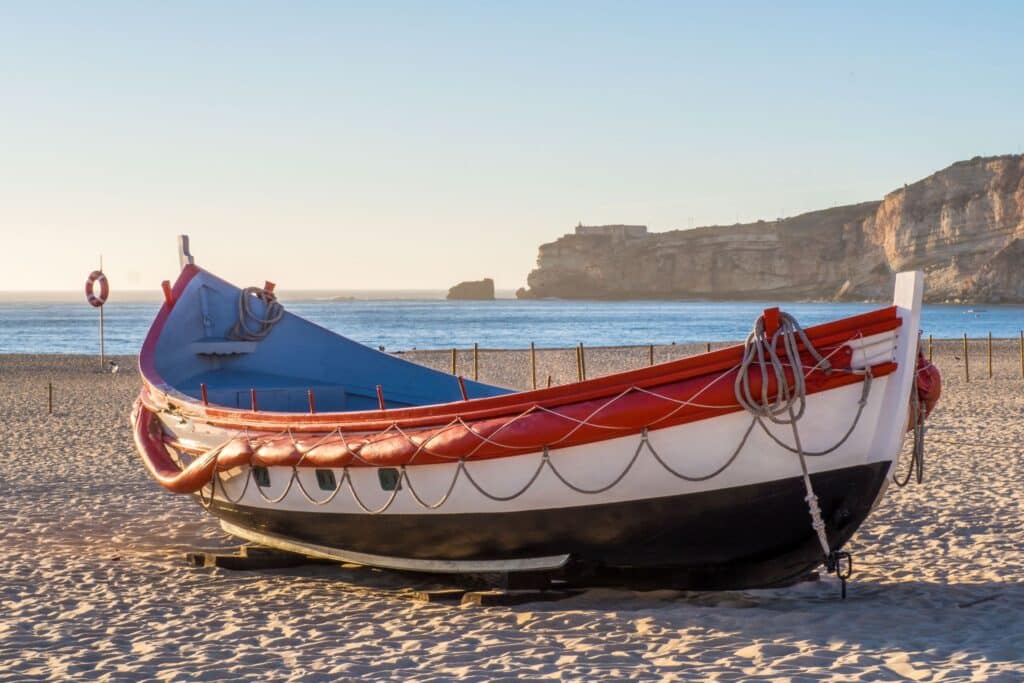
An hour south of Lisbon, Comporta feels intentionally understated. Dirt roads wind through rice fields and pine forests before opening up to long, quiet beaches where the Atlantic stretches uninterrupted.
There are no high-rise resorts or crowded promenades. Instead, whitewashed villas sit tucked into the landscape, often hidden behind tall grasses and dunes. Days move slowly there: mornings begin with coffee in the shade, afternoons drift between the beach and long lunches, and evenings settle into golden light that lingers over the fields.
Lofoten Islands, Norway
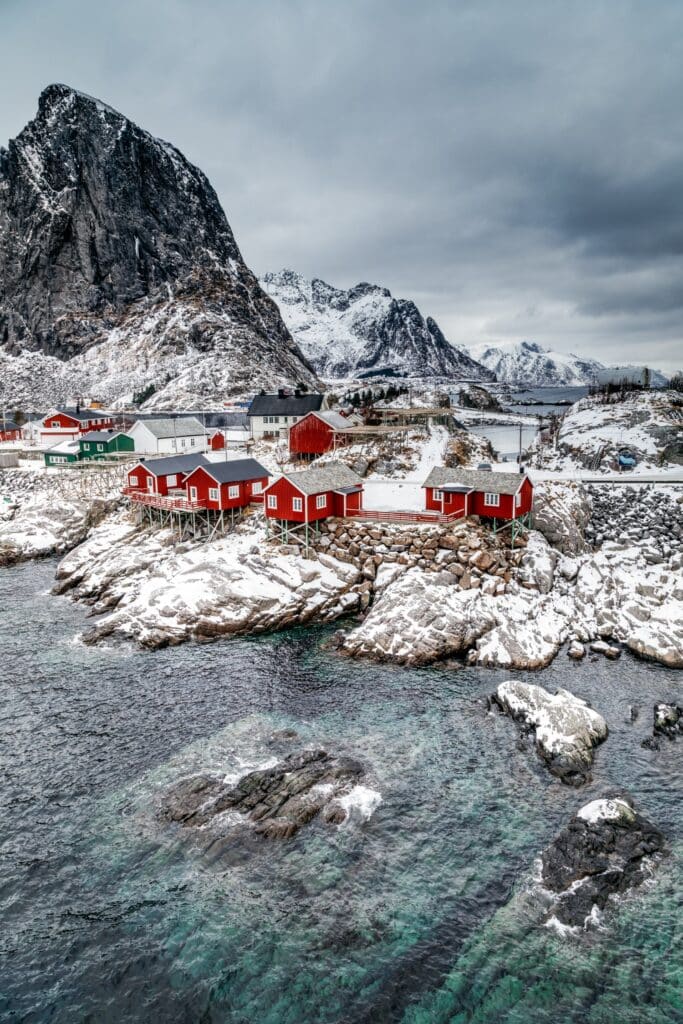
The Lofoten Islands feel distant in both geography and atmosphere. Located above the Arctic Circle, the landscape is shaped by steep mountains, narrow fjords, and small fishing villages that sit quietly along the water.
Travel here tends to be guided more by conditions than by schedule. Weather shifts, light changes, and the time of year plays a significant role in how the destination is experienced. Some days are spent outdoors, moving through the terrain, and others are slower, centered around the view from where you’re staying.
Milos, Greece
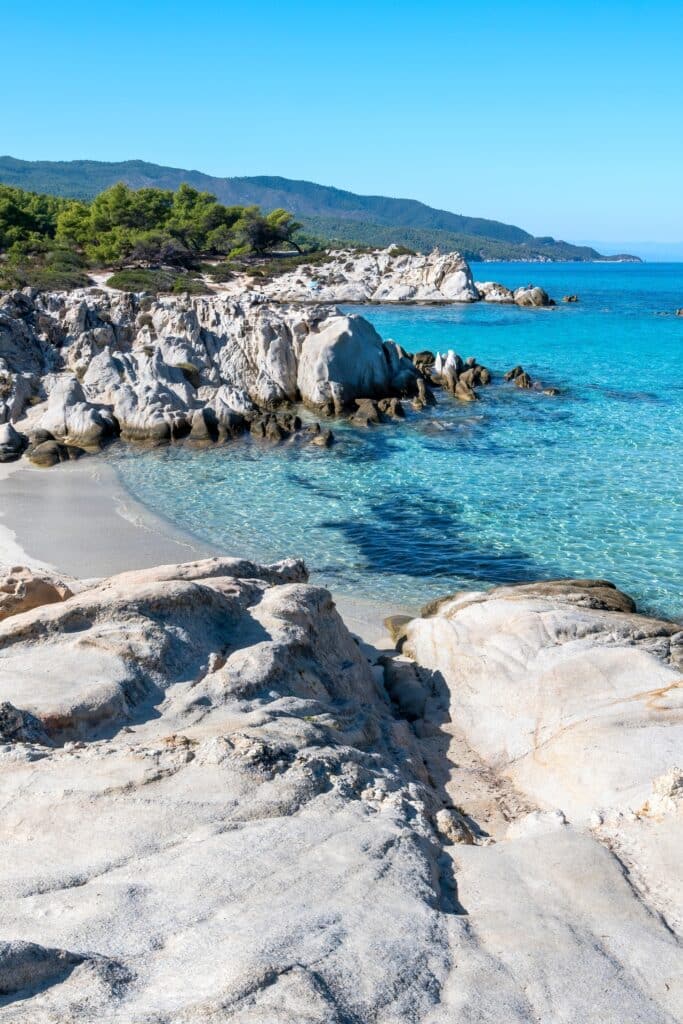
Milos sits in the Cyclades but moves at its own pace, shaped by the elements and a quieter way of life. The island’s volcanic landscape has created a coastline unlike anywhere else in the Mediterranean, with cliffs that shift from white to rust to charcoal and sea caves that can only be reached by boat.
In the fishing village of Klima, boathouses are carved directly into the rock, their doors opening to the water much as they have for generations. Life here feels steady and unhurried. Development has remained modest, allowing the island’s natural character to speak for itself.
Baja East Cape, Mexico
East of Cabo San Lucas, the landscape begins to open up in a way that feels immediate. The built environment fades, and the coastline stretches out with very little interruption, where desert terrain meets the sea across long, continuous stretches of beach.
The rhythm of the day is often shaped by natural conditions. Wind, water, and light all play a role in how time is spent, whether that means being in the ocean, out on a boat, or simply staying close to where you are as the day shifts. The overall experience feels quieter, not because there is less to do, but because there is less competing for attention.
Salento, Colombia
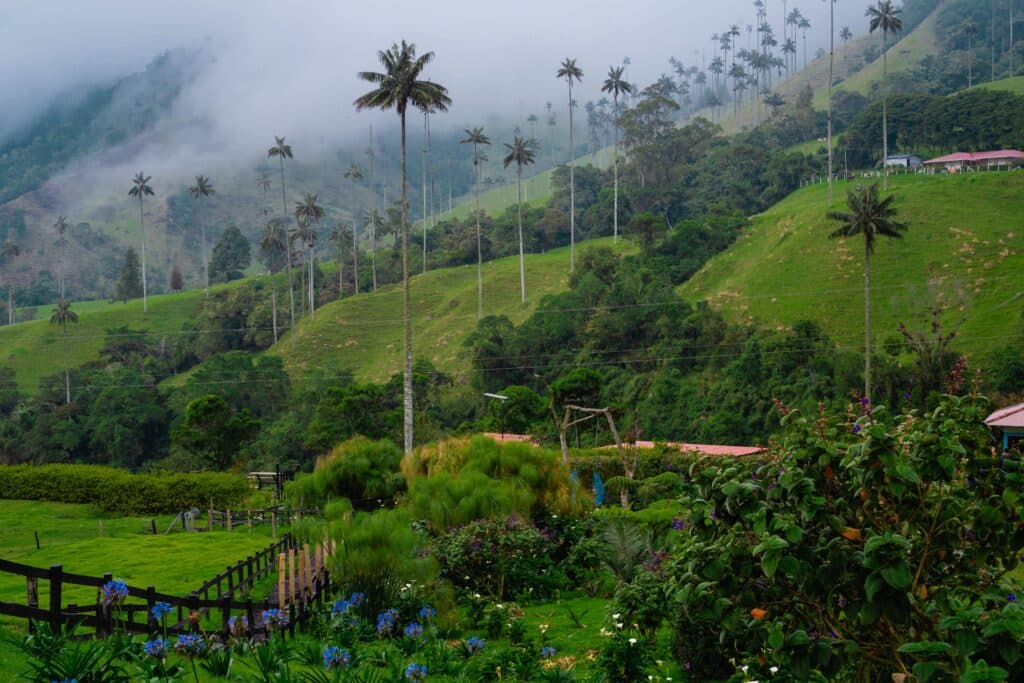
In Colombia’s coffee region, Salento sits within a landscape that feels both active and continuous. Rolling hills extend in every direction, with coffee farms, small towns, and forested areas overlapping rather than existing separately. The environment is not staged for visitors; it is lived in, and that shapes how the destination is experienced.
Time here tends to move at a steady pace. Exploration happens gradually, whether that means walking through farmland, visiting nearby coffee farms, or spending time in town where color and daily life remain central to the experience. There is no strong separation between activity and downtime, and the two often blend together.
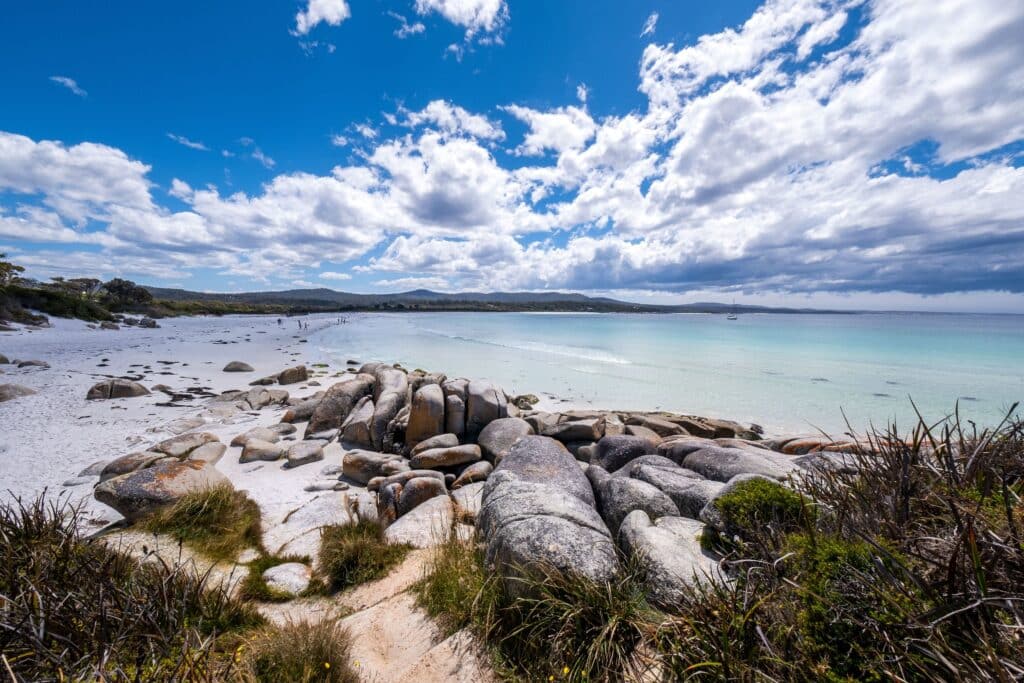
Tasmania, Australia
Tasmania’s distance from mainland Australia contributes to a pace that feels noticeably different. The island is shaped by coastline, forest, and protected land, much of which remains undeveloped. Large sections are defined by national parks, where the environment is preserved, and access is structured around the landscape itself.
Experiences often center on time outdoors, where trails and remote areas create a sense of separation from more populated regions. There is also a strong emphasis on local food and regional sourcing, which adds another dimension without changing the overall pace.
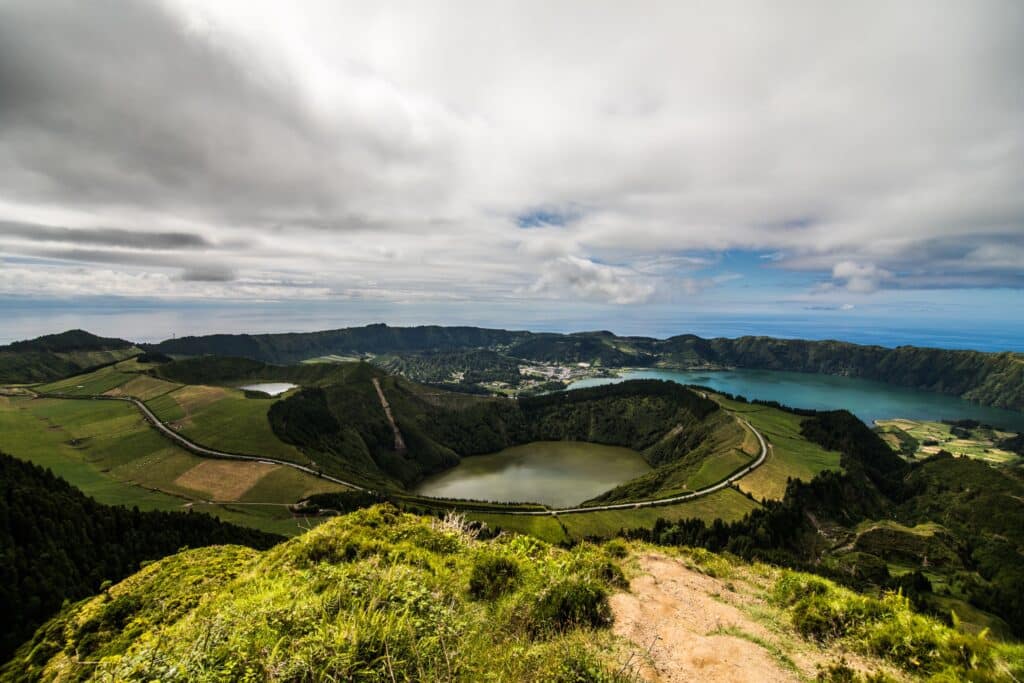
Azores, Portugal
The Azores are shaped by volcanic terrain that creates noticeable variation across relatively short distances. Within a short drive, the terrain shifts from crater lakes to coastal cliffs to inland hills, giving the islands a clear sense of variation. These changes happen quickly, but still feel connected as part of a single landscape. The pace remains steady, with time divided between exploring the terrain and returning to smaller towns or quieter areas. The environment remains central, and development has not overtaken the natural structure of the islands.
Emerald Coast, Nicaragua
Along Nicaragua’s southwestern shoreline near Tola, the Emerald Coast stretches for miles with a sense of space that’s increasingly rare. Rather than a single, built-up beach town or dense resort strip, the coastline unfolds as a collection of distinct beaches connected by winding roads and open landscape.
What defines the coast is not just how it looks, but how much there is to do within it. Mornings might begin in the water with world-class surf, followed by horseback rides along the shoreline or hikes through coastal hills. Afternoons invite exploration, from tide pools to offshore fishing, or simply settling into the rhythm of the ocean. As the day winds down, bonfires on the beach and long sunsets take over.
There’s no single hub, no fixed way to experience it. The Emerald Coast invites you to move, explore, and discover it as you go, with each stretch offering something new.
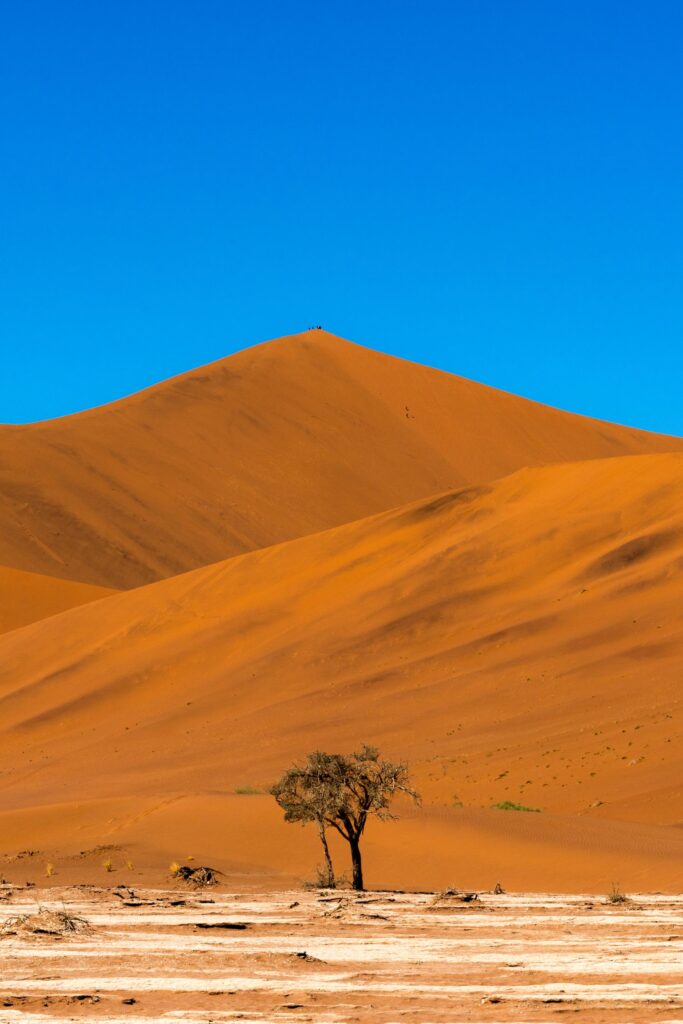
Namib Desert & Skeleton Coast, Namibia
Along Namibia’s Skeleton Coast and into the Namib Desert, the landscape is defined by extremes. The coastline is lined with shipwrecks and heavy Atlantic fog, while just inland, some of the world’s tallest sand dunes rise out of completely dry terrain.
Access is limited and distances are significant, so travel is typically structured around a few remote lodges rather than moving frequently between locations. Once there, days are built around guided drives, desert walks, and tracking wildlife that has adapted to the conditions, including desert elephants and oryx.
What sets this region apart is the contrast. The ocean and desert exist side by side, but function independently. The experience is less about variety in activities and more about understanding how the environment operates, and adjusting to a pace that is dictated by heat, light, and distance.
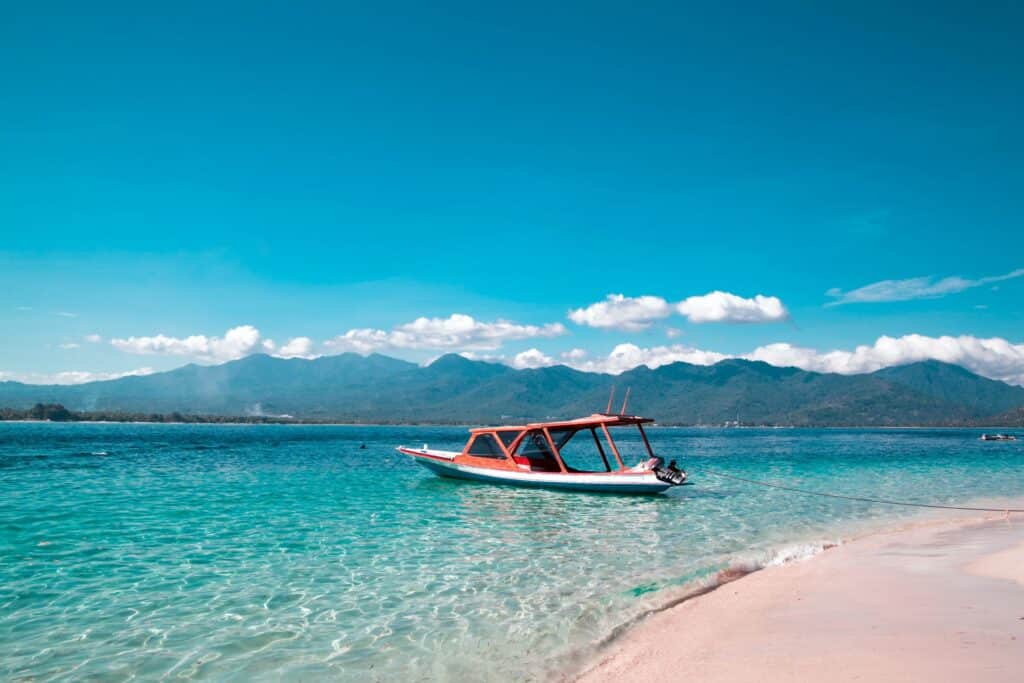
Lombok, Indonesia
Lombok sits just east of Bali but operates very differently in terms of infrastructure and density. Development is more limited, particularly along the southern coast, where roads are less direct, and accommodations are spread out rather than centralized.
The area is known for consistent surf breaks that are less crowded than neighboring islands, along with beaches that vary widely in conditions. Some are suited for swimming, while others are exposed and better for experienced surfers. Moving between them typically requires planning, as there is less built-in connectivity.
Away from the coast, Lombok’s interior is defined by Mount Rinjani, an active volcano that shapes both the landscape and local agriculture. Villages and farmland are integrated into the terrain rather than separated from it. Compared to more developed destinations in Indonesia, Lombok requires more effort to navigate, but offers a clearer sense of how the region functions without heavy adaptation for tourism.
Luxury Without the Layer of Expectation
Luxury travel has expanded, but in many places, that expansion has led to a more standardized experience. Destinations that were once distinct now follow similar patterns, with clearly defined itineraries, concentrated development, and a pace that is largely predetermined. For travelers looking for something different, the shift is toward places that still operate on their own terms, where the environment plays a more active role in shaping how time is spent.
Across these destinations, that difference shows up in how you move through them. Distances are not always convenient, infrastructure is less centralized, and the experience is not designed to guide you step by step. Instead, it requires a level of awareness and flexibility that ultimately creates a more personal and less predictable trip.
Rancho Santana reflects that same approach, but in a way that is more accessible. Along Nicaragua’s Emerald Coast, the coastline remains spread out and varied, with five distinct beaches that offer different conditions throughout the day. Rather than being anchored to a single location, time is spent moving between them or choosing to stay in one place as conditions shift. The experience is shaped by what is happening in real time, not by a fixed schedule.
That balance is what defines this next phase of luxury travel; it is not about adding more, but about choosing places where less has been altered in the first place.
What defines an under-the-radar luxury travel destination?
An under-the-radar luxury destination offers natural beauty, space, and a slower pace without the crowds or highly developed infrastructure found in more established locations.
Why are travelers choosing less traditional luxury destinations?
Travelers are shifting toward destinations that feel more grounded in their surroundings, where the experience is shaped by the environment rather than structured itineraries or built-up resort areas.
Where is Rancho Santana located within emerging luxury travel destinations?
Rancho Santana is located on Nicaragua’s Emerald Coast near Tola, a region known for its open coastline, distinct beaches, and lack of dense resort development.
What makes the Emerald Coast different from other beach destinations?
Unlike traditional resort destinations, the Emerald Coast is made up of multiple beaches connected by open landscape and winding roads, without a single centralized hub or resort strip.
How does the experience at Rancho Santana differ from traditional luxury resorts?
The experience is not built around fixed schedules or centralized amenities. Instead, it is shaped by natural conditions, with guests moving between beaches or adapting their day based on the environment.
Rachell is the Head of Community and Communications at Rancho Santana. She is passionate about sharing the stories that bring The Ranch to life, highlighting everything from its culinary experiences and vibrant community to its natural beauty and unique lifestyle.
Related Articles
Sin categorizar, Experiencia,
Exotic Beach Vacations: Discover Destinations That Still Feel Untouched
Travelers searching for remote coastal escapes are increasingly drawn toward places that feel quieter and more connected to the landscape around them.
Why Villa Resorts Are Ideal for Multi-Generational Family Vacations
Villa resorts give multi-generational families private space rich with amenities and room to travel at their own pace. Here’s why this could be a great vacation spot for your family.